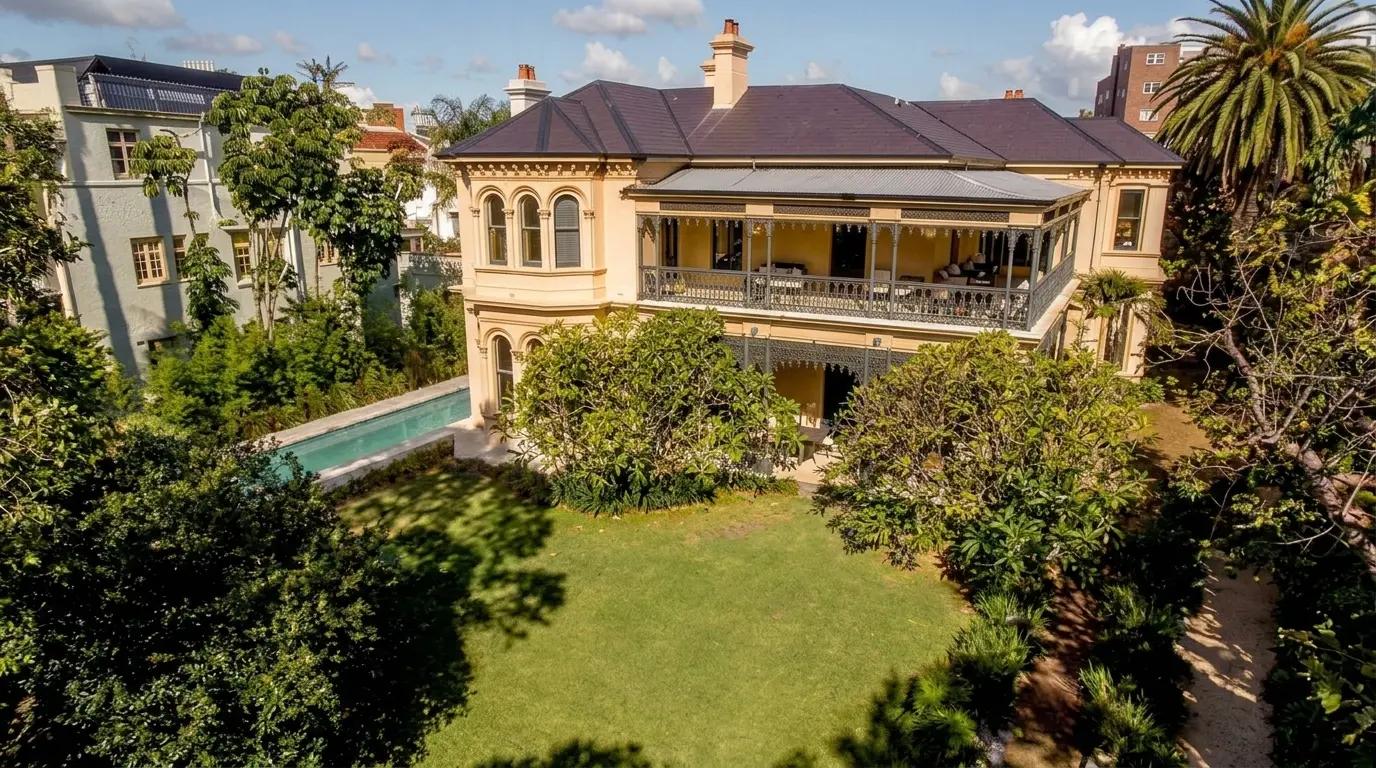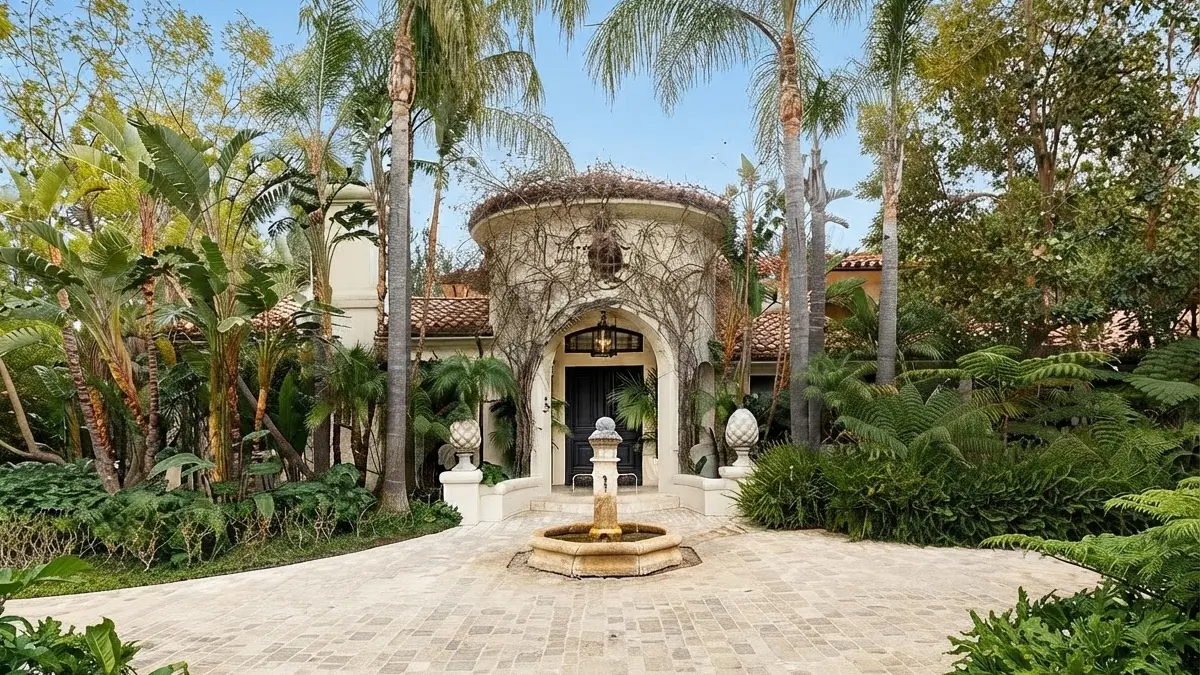
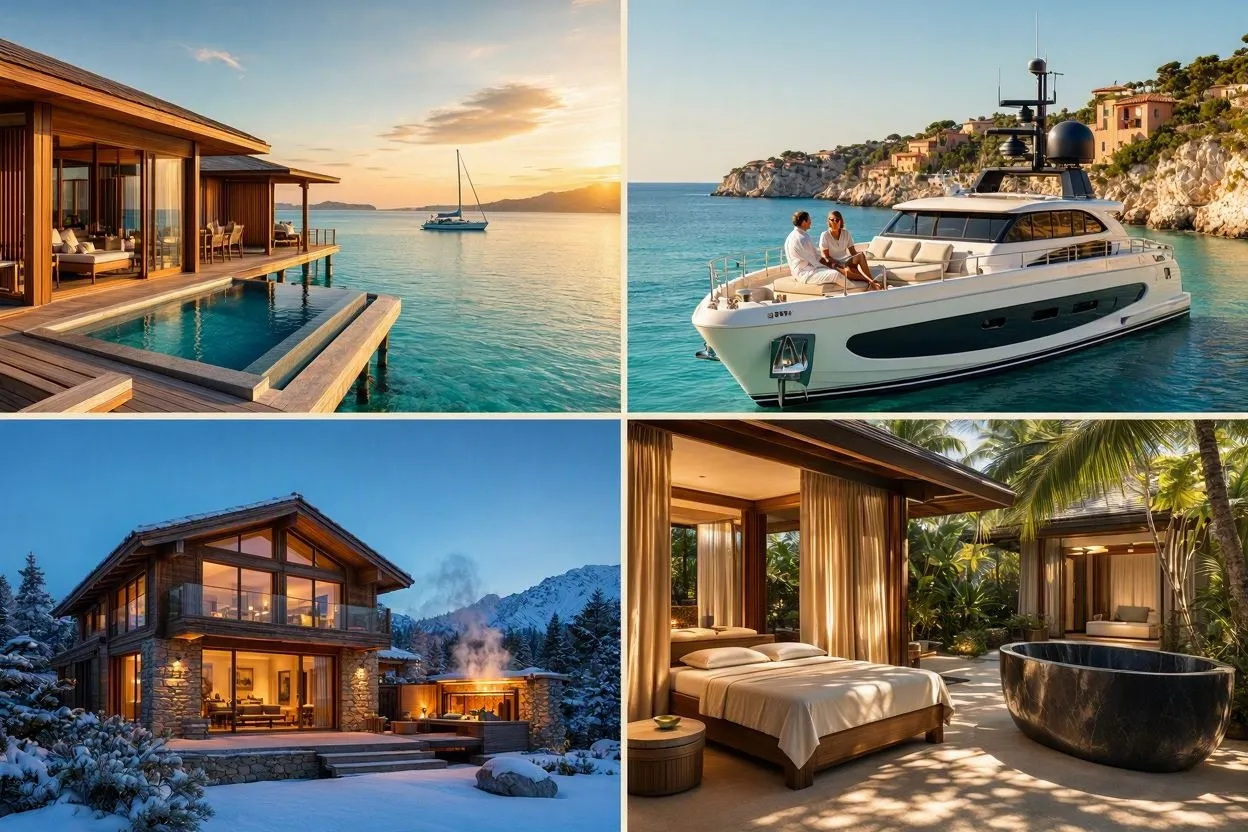
Planning a high-end trip takes more than a destination name pulled from Instagram. Good luxury vacation ideas balance three things: a clear budget tier, a travel style that fits the traveler, and a booking window that avoids peak-season markups. This guide covers real pricing, destination categories, and a decision framework, not just pretty photos. A picture of an overwater villa doesn’t tell anyone how to actually book one.
What Counts as a Luxury Vacation Idea
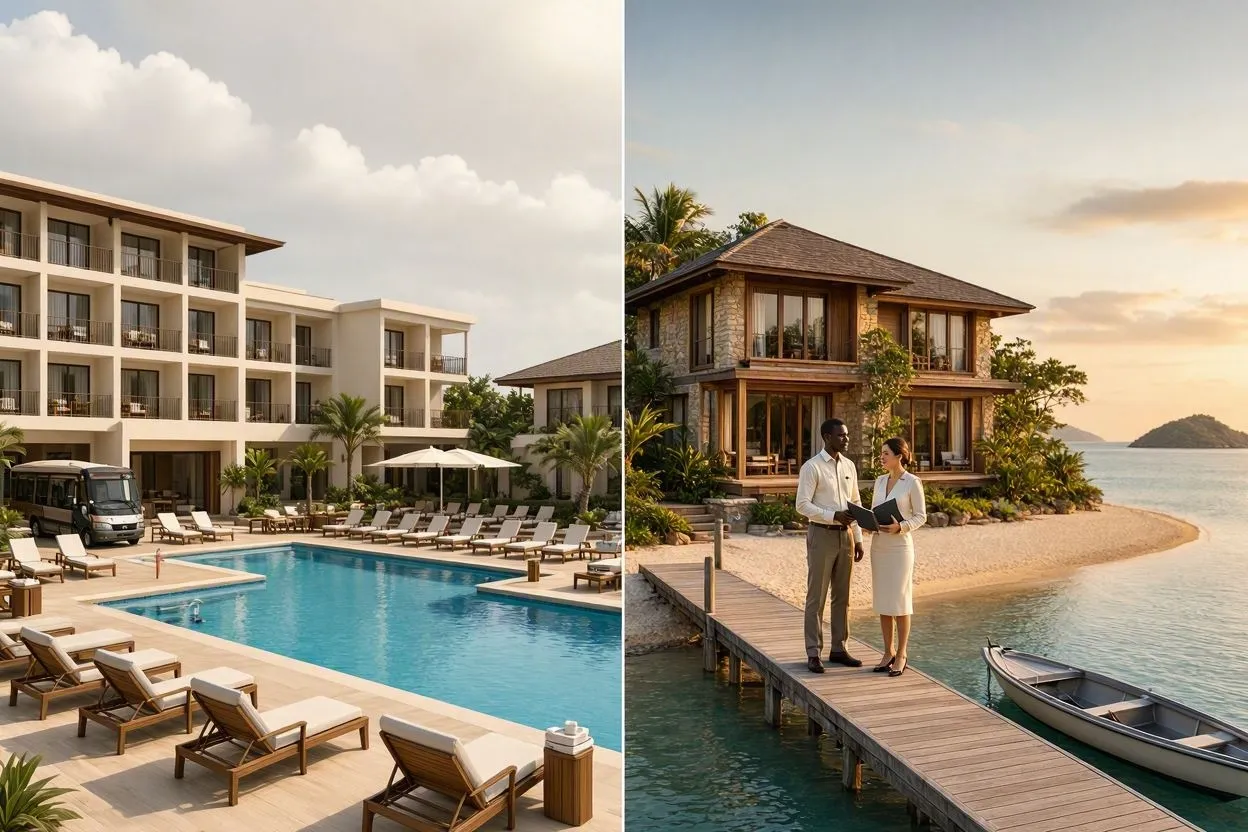
A luxury vacation idea combines three elements: private or exclusive access, personalized service, and a location or property that few travelers can casually book. Cost alone doesn’t define luxury. A $400-a-night resort with a shared pool isn’t luxury; a $400-a-night boutique lodge with a private guide and a four-room capacity often is.
Three things separate a genuine luxury trip from an expensive one. Access means private islands, closed-door tasting rooms, or after-hours museum visits. Service ratio matters too — Amanpuri in Phuket, for example, runs close to a 3-to-1 staff-to-guest ratio. And then there’s scarcity: a limited room count, a seasonal-only opening, or an invitation-based experience.
A safari lodge with eight tents and a dedicated ranger per two guests qualifies. A 400-room beachfront resort with a rooftop bar, even at $600 a night, usually doesn’t. That distinction changes what a traveler should actually search for and book.
How Much Do Luxury Vacations Cost
Luxury vacations fall into three price tiers: entry-luxury ($400 to $800 per night), premium luxury ($800 to $2,000 per night), and ultra-luxury ($2,000 and up per night). Multiply nightly rates by trip length and add 15 to 25% for flights, transfers, and activities to get a realistic total.
| Tier | Nightly rate | What it typically includes |
| Entry-luxury | $400–$800 | Four- and five-star resorts with strong service but shared amenities |
| Premium luxury | $800–$2,000 | Smaller Aman/Six Senses-style outposts, private-villa rentals with dedicated staff |
| Ultra-luxury | $2,000+ | Private-island buyouts, top-tier safari camps, suite-level ocean cruises |
Entry-Luxury ($400 to $800 a Night)
This tier covers four- and five-star resorts with strong service but shared amenities. A week in Tulum at a boutique beachfront hotel, flights from a major U.S. hub included, typically runs $3,500 to $5,500 per couple.
Premium Luxury ($800 to $2,000 a Night)
Properties in this range include Aman Resorts’ smaller outposts, Six Senses locations, and private-villa rentals with a dedicated staff. A five-night stay at Six Senses Zil Pasyon in the Seychelles runs roughly $10,000 to $14,000 for two, meals included.
Ultra-Luxury ($2,000+ a Night)
This bracket includes private-island buyouts, top-tier African safari camps, and suite-level ocean cruises. North Island in the Seychelles is booked as a single private-island exclusive, starting near $3,500 per night with a minimum four-night stay.
Booking 90 to 120 days ahead of peak season (December to March in the Caribbean, June to August in the Mediterranean) locks in lower rates before demand spikes.
Best Luxury Vacation Ideas by Destination Type
Destination category matters more than country name when narrowing down luxury vacation ideas, since two countries can offer very different experiences depending on the property type chosen.
Private Islands and Overwater Villas
Private-island stays and overwater villas deliver the highest privacy-to-cost ratio in luxury travel. The Maldives remains the benchmark, with properties like Soneva Jani offering overwater villas with retractable roofs for stargazing, something few other destinations have matched at scale.
Bora Bora and Fiji offer comparable overwater setups at 20 to 30% lower nightly rates than the Maldives, a solid alternative for travelers who want the look without the ultra-luxury price tag. A honeymoon package at the St. Regis Bora Bora, including a private lagoon villa and two spa treatments, runs approximately $8,000 for a six-night stay.
Wellness and Spa Retreats
Wellness retreats built around measurable health outcomes, not just spa menus, are the fastest-growing category in luxury travel for 2026. COMO Shambhala Estate in Bali and Chiva-Som in Thailand both run multi-day programs with clinical intake assessments, not walk-in massage bookings.
A seven-night wellness program at COMO Shambhala, including personalized nutrition plans and daily treatments, costs between $6,000 and $9,000 per person. Travelers seeking a shorter reset can book a three-night “glow” package at properties in the Swiss Alps for closer to $2,500.
Ski and Mountain Escapes
Zermatt and Gstaad in Switzerland set the standard for luxury ski vacations, combining car-free village access with five-star chalet service. Zermatt’s car-free zone means guests arrive by train and get around the village by horse-drawn carriage or electric taxi — a detail that shapes the whole trip, not just the skiing.
A week at a five-star chalet in Zermatt during peak season (late December through February) runs $12,000 to $18,000 for a family of four, including a private chef three nights a week. Vail, Colorado offers a domestic alternative at roughly 30% lower cost, with comparable ski-in/ski-out access at properties like the Four Seasons Vail.
Safari Lodges
East and Southern African safari lodges pair wildlife access with service ratios other luxury categories rarely match. Singita properties in Tanzania and South Africa typically operate at under ten guest rooms per camp, with a dedicated ranger and tracker assigned per vehicle.
A four-night stay at Singita Grumeti in the Serengeti, including all game drives and meals, costs $4,500 to $6,500 per person during the July to October migration season. Botswana’s Okavango Delta offers a quieter, lower-density alternative at similar price points, with fewer than 15 vehicles permitted per concession area.
Small-Ship Luxury Cruises
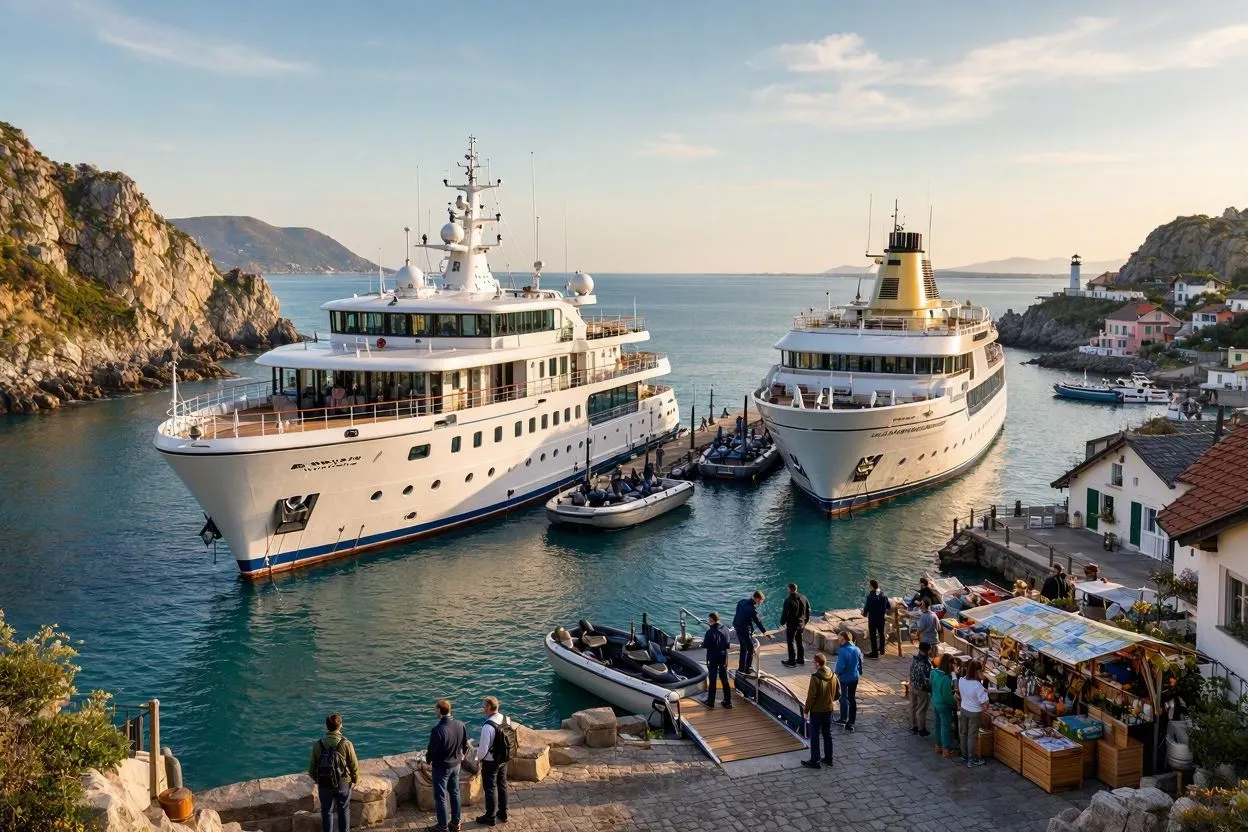
Small-ship and expedition cruises carrying under 200 passengers have become a bigger draw than traditional large cruise lines for travelers who want destination access over onboard entertainment. Ponant and Silversea both operate ships that can dock in ports too small for mainstream cruise lines, reaching towns like Kotor, Montenegro, that 3,000-passenger ships bypass entirely.
A seven-night Mediterranean expedition cruise on a 200-passenger ship runs $5,000 to $8,000 per person in a balcony suite. Antarctic expedition cruises, a rising booking category for 2026, start around $12,000 per person for a ten-day itinerary.
Culturally Immersive City Breaks
City-based luxury trips built around private, after-hours access are increasingly popular with travelers who want more than standard sightseeing. London’s V&A East Storehouse lets small groups handle museum objects during scheduled private sessions, something you can’t do during regular public hours.
A four-night Kyoto trip with a private tea ceremony, a closed-door kaiseki dinner, and a licensed geisha-district guide costs $4,000 to $6,000 for two, excluding flights. Dubai offers a higher-density luxury option: 2025 hotel-room growth of 5,000 new units means more five-star availability heading into 2026.
| Destination type | Sample trip | Typical cost |
| Private islands and overwater villas | 6 nights, St. Regis Bora Bora, honeymoon package | ~$8,000 for two |
| Wellness and spa retreats | 7 nights, COMO Shambhala Estate | $6,000–$9,000 per person |
| Ski and mountain escapes | 7 nights, five-star chalet in Zermatt | $12,000–$18,000 for a family of four |
| Safari lodges | 4 nights, Singita Grumeti, migration season | $4,500–$6,500 per person |
| Small-ship luxury cruises | 7 nights, Mediterranean expedition cruise | $5,000–$8,000 per person |
| Culturally immersive city breaks | 4 nights, Kyoto with private guide | $4,000–$6,000 for two |
Luxury Vacation Ideas for Every Traveler
Trip type should shift based on who’s traveling, since a solo trip and a four-generation family trip call for different property types even at the same budget.
Couples and Honeymooners
Overwater villas, private-island buyouts, and small-group culinary tours are the top luxury vacation ideas for couples in 2026. A private-villa rental in Positano with a dedicated chef and boat access to the Amalfi Coast costs roughly $7,000 for a five-night stay, split between two.
Solo Travelers
Solo luxury travel has shifted toward guided small-group trips and wellness retreats that offer structure without giving up privacy. A solo traveler booking a wellness retreat in Costa Rica can expect single-occupancy rates 20 to 40% higher than double occupancy, though properties like Nayara Springs waive the surcharge on select weeks.
Multigenerational Families
For multigenerational trips, villa rentals with four to six bedrooms and full staff are often a better fit than booking a block of resort suites. A ten-day villa rental in Tuscany with a private pool, a cook, and daily housekeeping runs $15,000 to $22,000 total for a group of eight — often cheaper per person than booking equivalent resort rooms separately.
Adventure Travelers
Multi-day trekking trips paired with a luxury basecamp lodge suit travelers who want a physical challenge and high-end comfort at the end of the day. A seven-night trip through Chile’s Torres del Paine National Park, based out of Explora Patagonia’s all-inclusive lodge, costs roughly $7,500 per person and includes daily guided hikes graded by difficulty, so travelers of mixed fitness levels can join the same trip without matching pace.
How to Choose the Right Luxury Vacation
Match the destination category to three factors first: group size, activity level desired, and season of travel, in that order. A couple seeking relaxation should rule out safari and ski categories before comparing specific properties.
Use this sequence when narrowing down luxury vacation ideas:
- Set a hard budget ceiling per night, not per trip, since trip length varies
- Identify the primary activity: relaxation, adventure, culture, or wellness
- Check seasonal pricing for the top two destination candidates
- Confirm staff-to-guest ratio and room count as a luxury-authenticity check
- Book flights separately when possible, since bundled packages often mark up airfare by 10 to 15%
If a traveler can’t settle on a single primary activity, a multi-stop itinerary (three nights coastal, four nights cultural) usually works out better than a single destination.
Sustainable Luxury Travel: What to Look For
Genuine sustainable luxury properties publish measurable conservation data, not just an “eco-friendly” label on their website. Singita’s safari camps, for example, report specific land-conservation figures tied to each property, including acreage under active wildlife protection.
Three signals separate real sustainability from marketing language:
- Published carbon or water-usage data, updated annually
- Direct employment of local staff at management level, not just entry-level roles
- Conservation fees itemized separately from the room rate, with public reporting on how the money is used
A property missing at least two of these three is worth treating with skepticism, regardless of the green branding on its booking page.
Digital Detox and Wellness-Forward Trends
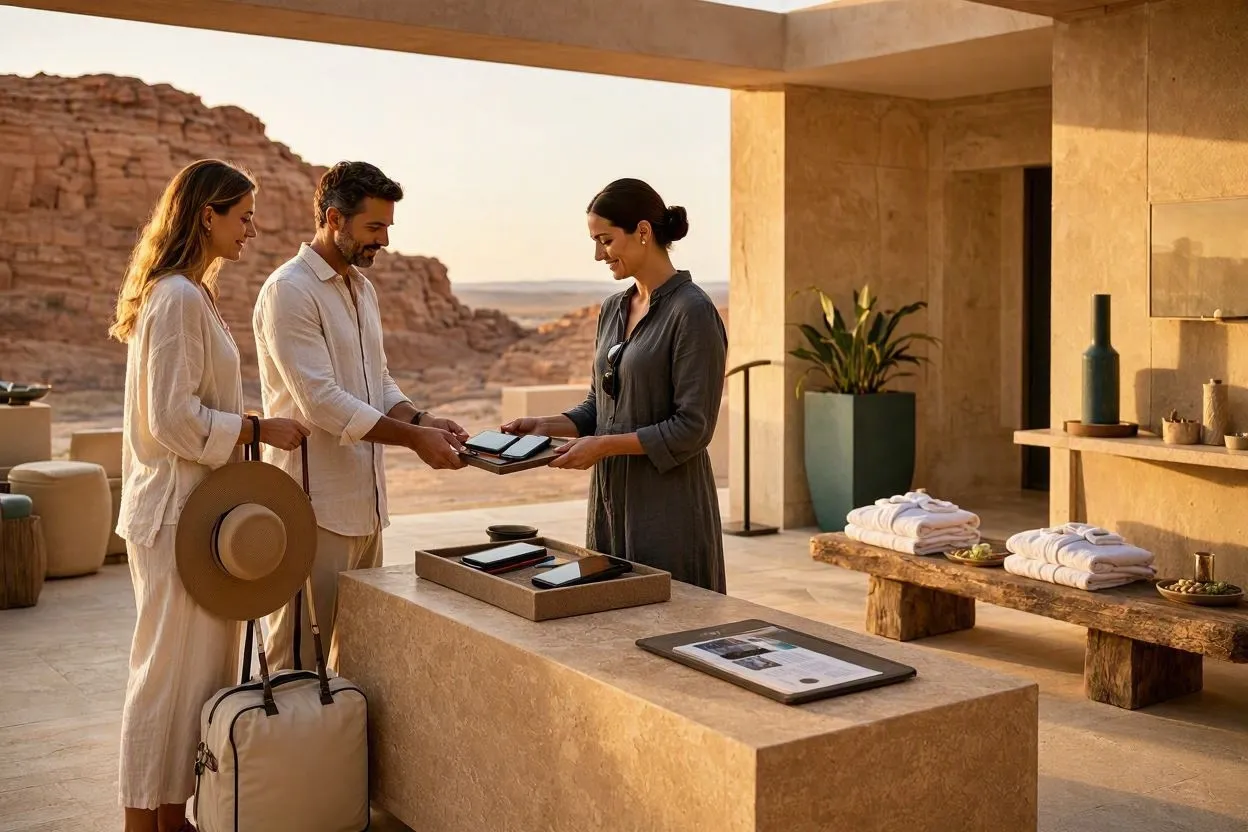
Device-free luxury retreats are a growing niche within wellness travel, built around structured disconnection rather than just optional quiet time. Amangiri in Utah offers a formal “digital sunset” program where guests check devices at a front desk for the duration of select multi-day stays.
This differs from a standard spa trip because the no-devices rule is mandatory, not optional. A four-night digital-detox package at a certified retreat, including all meals and two guided nature excursions daily, runs $4,000 to $6,000 per person — roughly 15% more than a comparable standard wellness stay, which reflects the added staffing and programming involved.
Conclusion
The strongest luxury vacation ideas start with a budget tier and a primary activity, not a destination name pulled from a search result. Entry-luxury trips at $400 to $800 a night deliver real five-star service without ultra-luxury markups, while ultra-luxury bookings above $2,000 a night buy privacy and scarcity that mid-tier properties can’t offer. Singita’s under-ten-room safari camps, Soneva Jani’s stargazing villas, and Zermatt’s car-free chalet district make the same point in different ways: property type and access level matter more than the country on the itinerary.