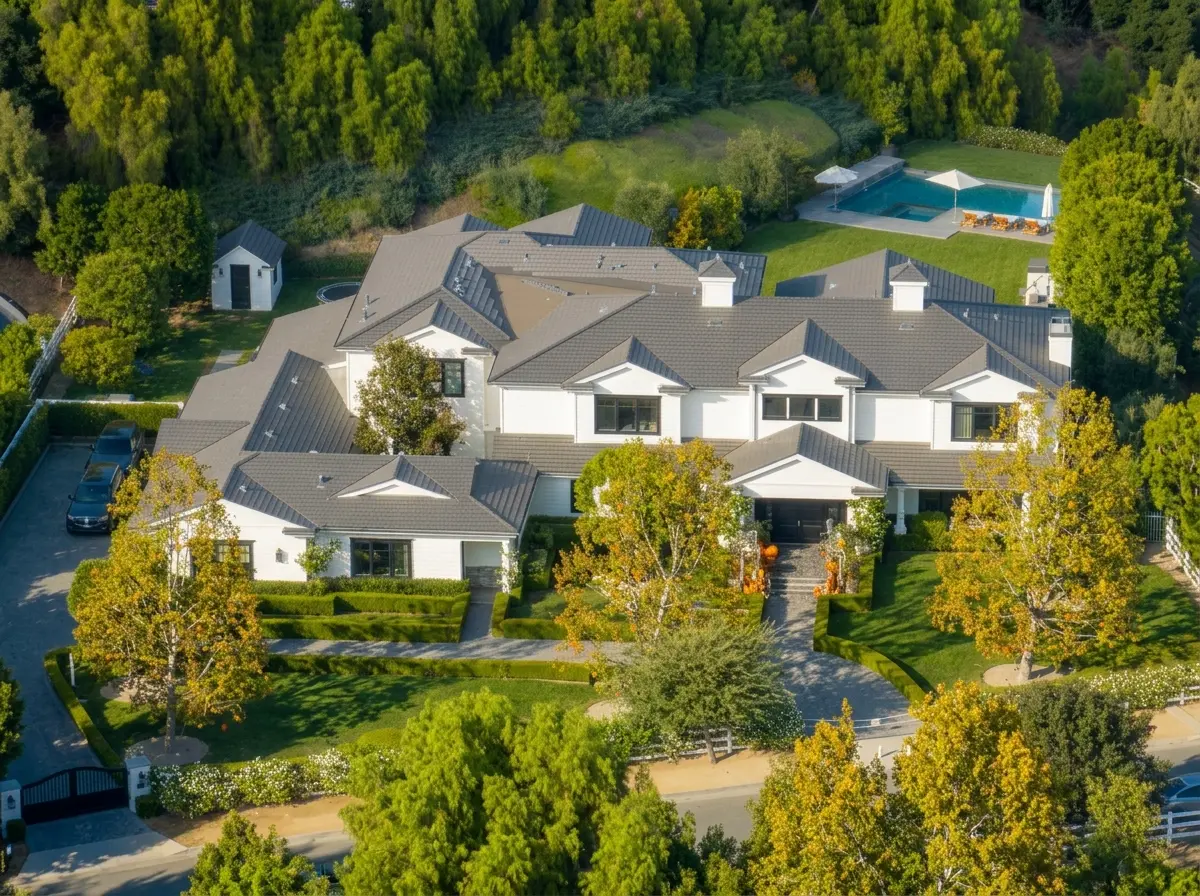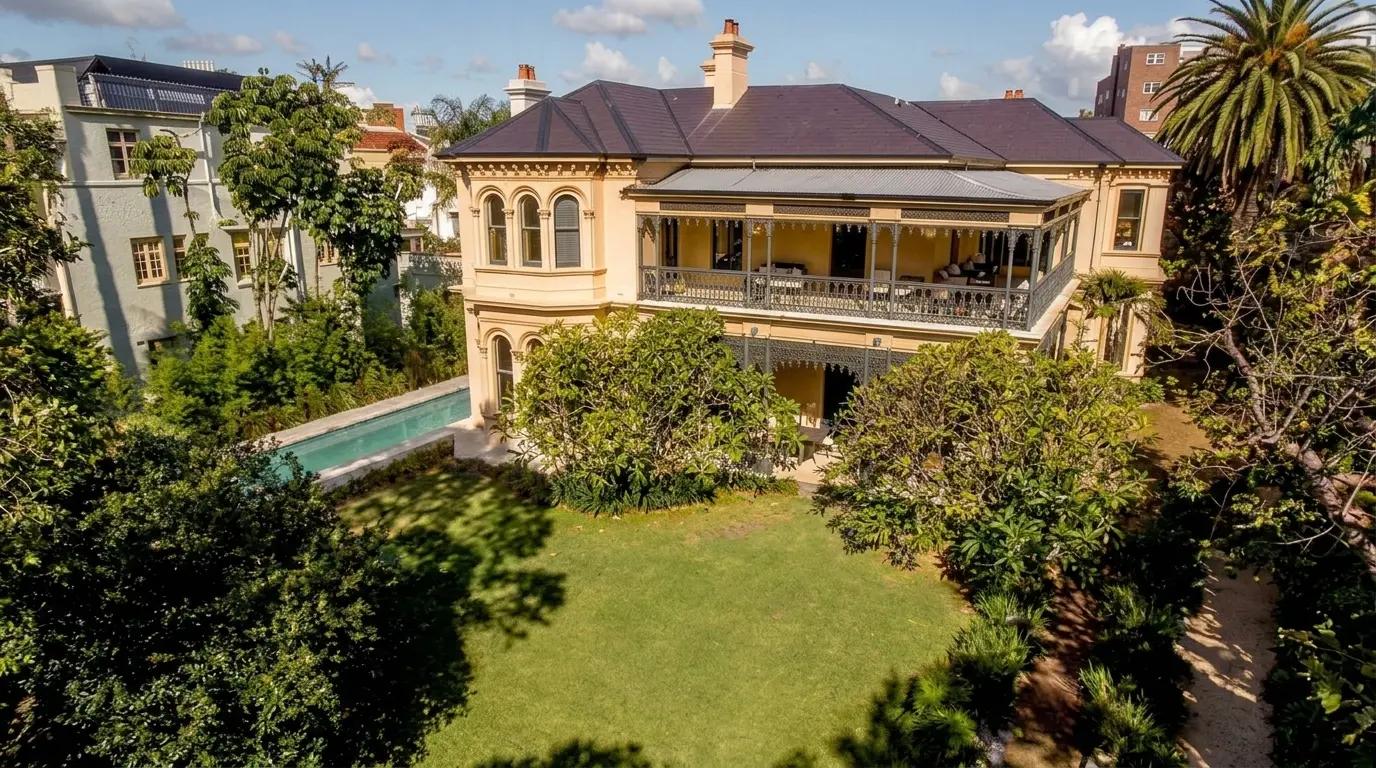
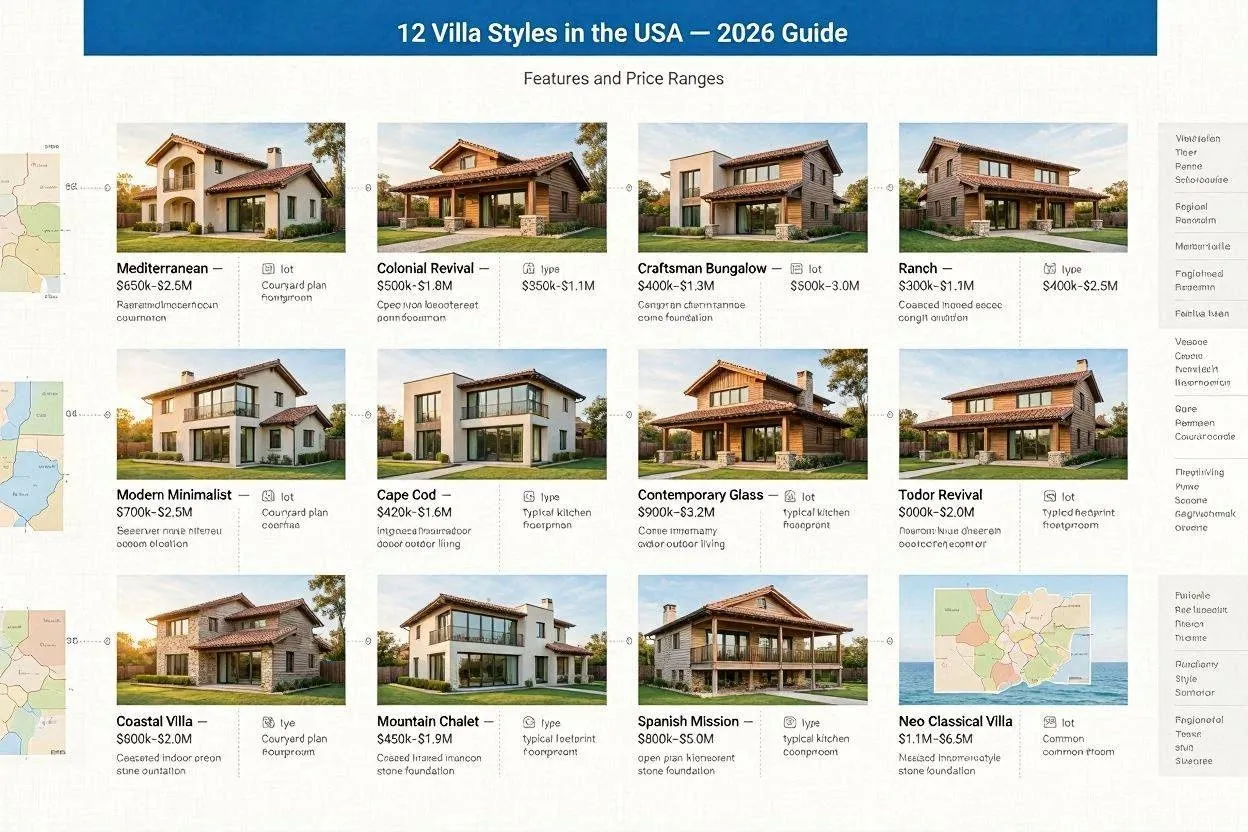
Not all villas are the same. A beachfront villa in Miami and a rustic villa in the Colorado mountains share a name but almost nothing else — different design, different price, different purpose.
The luxury villa market hit $249.69 billion in 2025 and grows to $286.62 billion in 2026, driven by rising demand for private, high-end residential properties across the United States. Whether you plan to buy, rent, or invest, knowing which villa type fits your needs saves time and serious money.
This guide breaks down 12 types of villas, what each one offers, where to find them in the USA, and what they cost in 2026.
What Is a Villa?
A villa is a large, freestanding private residence built on its own grounds — typically with a garden, terrace, or courtyard, and often a private pool. The word comes from ancient Rome, where wealthy citizens built countryside estates away from the city noise.
Today, a villa in the USA real estate market means one of two things:
- A luxury standalone home — large, private, with premium amenities
- An attached low-maintenance property — similar to a townhouse, often in an HOA (Homeowners Association) community
Both count as villas. What separates them from standard homes is the emphasis on outdoor living, privacy, and architectural character.
Villa vs Mansion: The Difference Most Buyers Get Wrong
People confuse these two constantly. Here is the real difference:
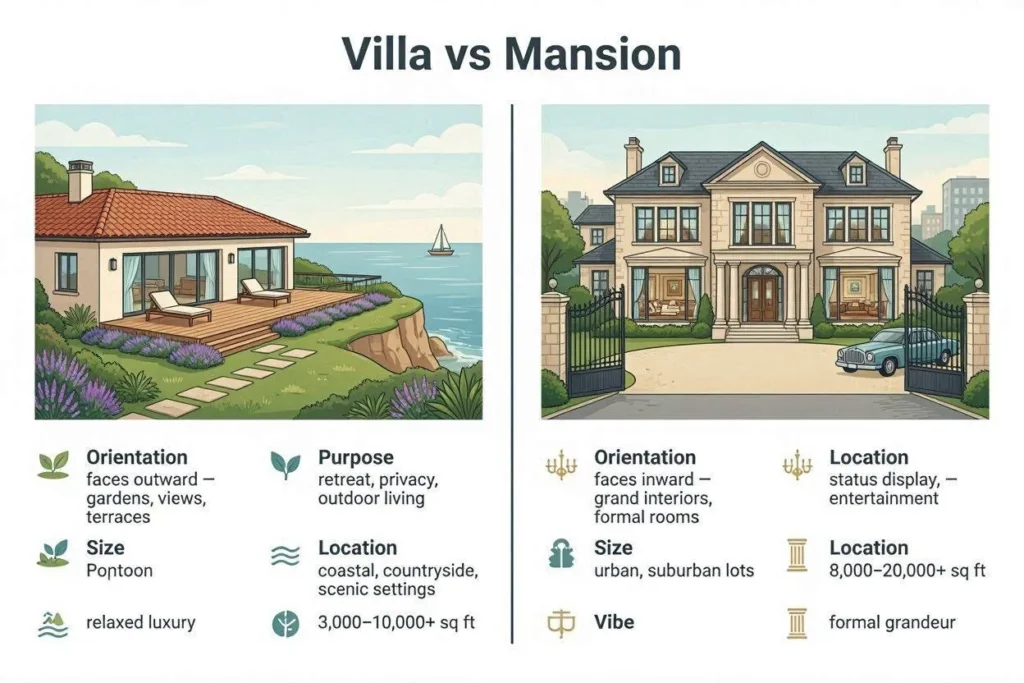
| Feature | Villa | Mansion |
| Orientation | Faces outward — gardens, views, terraces | Faces inward — grand interiors, formal rooms |
| Purpose | Retreat, privacy, outdoor living | Status display, entertainment |
| Location | Coastal, countryside, scenic settings | Urban, suburban lots |
| Size | 3,000–10,000+ sq ft (279–929 sq m) | 8,000–20,000+ sq ft (743–1,858 sq m) |
| Vibe | Relaxed luxury | Formal luxury |
A villa faces the landscape around it. A mansion asserts itself through its facade. Both can cost the same — the spatial logic is what differs.
12 Types of Villas Explained
1. Luxury Villa
The luxury villa is the benchmark against which all other villa types are measured. These properties sit in a category of their own — not because of size alone, but because of the level of finish, service, and privacy they deliver.
Entry-level luxury villas come with a private pool (minimum 600 sq ft / 56 sq m deck), home theater, wine cellar with temperature control between 55–58°F (13–14°C), and dedicated staff quarters. Higher-tier properties add wellness rooms, yoga decks, guest suites, and private gym facilities.
In 2026, quiet luxury defines this category. Buyers want operational control over their home — discreet staffing, private arrivals, embedded wellness infrastructure. Flashy facades are out. Seamless, frictionless living is in.
Where in the USA: Beverly Hills (CA), Palm Beach (FL), The Hamptons (NY), Paradise Valley (AZ) USA Price Range: $3M – $16.5M+
2. Mediterranean Villa
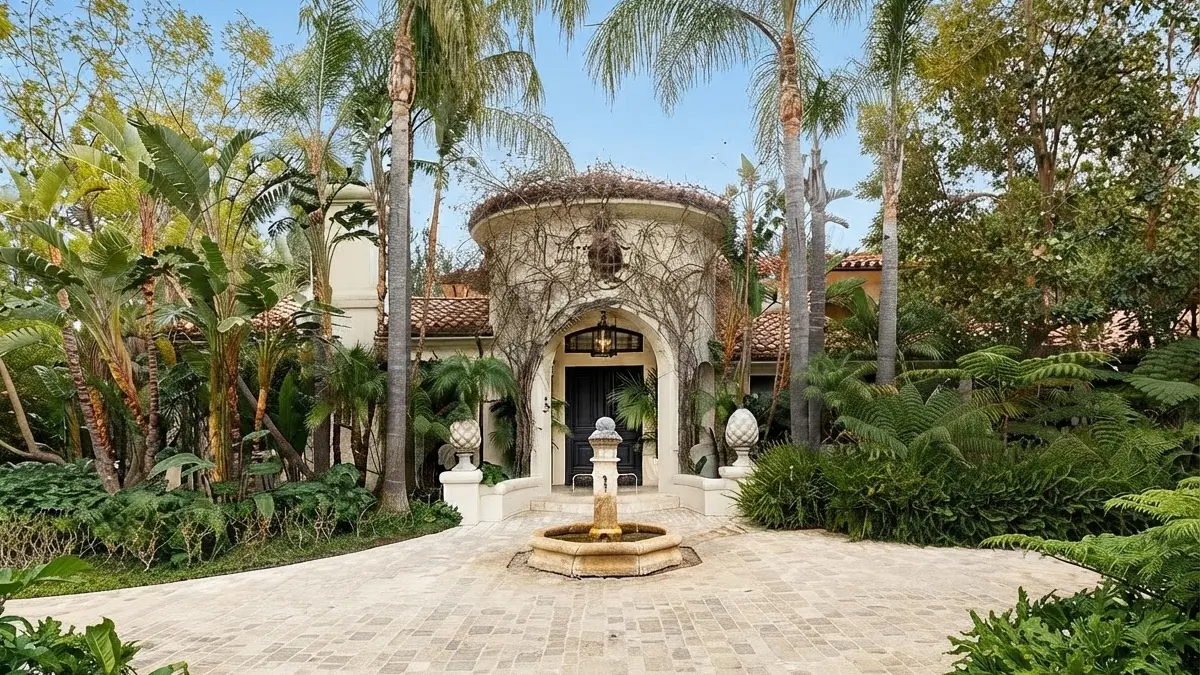
Mediterranean villas trace their roots to Southern European coastal architecture — Spain, Italy, Greece. In the USA, this style took hold during the 1920s resort boom in Florida and California and remains one of the most popular villa styles in American real estate today.
Key design features:
- Clay tile roofs (semi-circular, sheds water easily)
- White stucco exterior walls (reflects heat, protects from sun)
- Arched doorways and windows
- Covered loggias and interior courtyards
- Wrought iron accents and carved wood details
- Open-concept interiors with tall ceilings
The arches are not just decorative. The design keeps interiors cool in hot climates — a function borrowed from Mediterranean builders who understood their environment. Today’s versions add energy-efficient windows, smart home tech, and resort-style pools while keeping the classic look intact.
Where in the USA: Miami (FL), San Diego (CA), Scottsdale (AZ), Santa Barbara (CA) USA Price Range: $1.5M – $8M
3. Beachfront Villa
A beachfront villa sits directly on or within walking distance of the ocean. This is the most searched villa type in the USA — and for good reason. It combines the ultimate private setting with direct water access, making it equally attractive for personal use and vacation rental income.
The design follows the location. Floor-to-ceiling glass walls frame ocean views. Outdoor decks replace interior walls as the main living space in summer. Most beachfront villas in Florida and Hawaii include salt-resistant materials, elevated foundations (flood zone compliance), and hurricane-rated windows.
What separates premium beachfront villas from mid-range ones:
- Private beach access vs shared beach
- Infinity pool vs standard pool
- Direct ocean view vs partial view
- Sq footage of outdoor deck space
Beachfront villas in Florida consistently rank among the top rental income generators. A 4-bedroom beachfront villa in Miami Beach averages $1,200–$2,500 per night on short-term rental platforms in peak season.
Where in the USA: Miami Beach (FL), Malibu (CA), Maui (HI), Outer Banks (NC), Hamptons (NY) USA Price Range: $1.2M – $12M+
4. Mountain Villa
Mountain villas offer something no coastal property can — elevation, silence, and year-round versatility. Ski in winter. Hike in summer. The setting does the work.
These properties use materials built for cold climates: stone facades, exposed timber beams, wide-plank wood floors, floor-to-ceiling fireplaces. The architecture channels alpine living — heavy, warm, and grounded. Large windows face the slope or valley to capture panoramic views rather than direct sunlight.
Colorado mountain villas remain the strongest-performing category for short-term rental ROI among non-coastal properties. Telluride and Aspen villas generate $3,000–$8,000 per week in peak ski season.
In 2026, mountain villas incorporate passive house design principles — extra insulation, heat recovery ventilation, and triple-glazed windows. These reduce heating costs significantly during winter months.
Where in the USA: Telluride (CO), Aspen (CO), Park City (UT), Jackson Hole (WY), Blue Ridge (GA) USA Price Range: $600K – $5M
5. Modern / Contemporary Villa
Modern villas reject ornamentation entirely. Clean lines. Flat roofs. Matte finishes. The architecture itself becomes the statement.
Materials define this style: concrete, blackened steel, natural wood, and glass. Full-height glass walls dissolve the boundary between indoor and outdoor space — one of the defining principles of contemporary villa design. Double-height ceilings with floor-to-ceiling windows flood interiors with natural light.
In Los Angeles and New York, modern villas command some of the highest price-per-square-foot rates in US real estate. Buyers pay for the architect’s name as much as the property itself. Designers like Frank Gehry and Richard Meier have produced modern villas in California that resell for 30–50% above market average.
Modern villas in 2026 feature Crestron and KNX smart home integration as a baseline, not an upgrade. Climate control, lighting, security, and audio-visual systems operate from a single interface.
Where in the USA: Los Angeles (CA), Miami (FL), Scottsdale (AZ), Austin (TX) USA Price Range: $1.8M – $10M+
6. Rustic Villa
Rustic villas use raw, natural materials to create warmth instead of polish. Stone walls. Reclaimed wood. Exposed beams. Terracotta tiles. The goal is a home that feels like it grew from the land around it.
This style dominates wine country properties in California’s Napa Valley and Sonoma, as well as rural estates in the Hudson Valley (NY) and the Texas Hill Country. The rustic villa sits on larger plots — typically 2–10 acres (0.8–4 hectares) — with working gardens, vineyards, or orchards on the grounds.
What buyers often underestimate: rustic villas require higher maintenance than modern builds. Stone facades need pointing every 10–15 years. Reclaimed wood interiors need sealing. The character costs more to keep.
Rustic villas have developed a strong vacation rental audience. Properties with a fireplace, a wraparound porch, and a vineyard view book out 6–10 months in advance in California wine country.
Where in the USA: Napa Valley (CA), Hudson Valley (NY), Hill Country (TX), Asheville (NC) USA Price Range: $800K – $4M
7. Minimalist Villa
Less material. More intention. A minimalist villa strips the design down to its core elements — space, light, and proportion.
These homes use a single material palette: white plaster walls, polished concrete floors, and large-format glass. There are no decorative elements. Storage is built in and invisible. The effect feels open and calm — which is exactly the point.
Minimalist villas are the fastest-growing style in luxury residential real estate in 2026, driven by buyers who have moved past status signaling. The design says: we have enough space and confidence that we need nothing extra.
Sotheby’s International Realty reported a clear shift toward natural materials and crafted finishes heading into 2026, with minimalist architecture leading demand in California, New York, and Florida markets.
The maintenance advantage is real. Minimalist villas have fewer surfaces to clean, fewer finishes to maintain, and simpler mechanical systems than ornate luxury villas.
Where in the USA: Malibu (CA), Miami Design District (FL), Brooklyn (NY), Santa Fe (NM) USA Price Range: $1.2M – $6M
8. Tropical Villa
Tropical villas are built for warm, humid climates. The design prioritizes airflow, shade, and connection to lush outdoor environments. Hawaii and South Florida are the two dominant markets in the USA.
Core design elements:
- Overhanging rooflines that block direct sun
- Open-air pavilion layouts that allow cross-ventilation
- Teak, bamboo, and tropical hardwood finishes
- Infinity pools that blend into the horizon
- Extensive use of natural stone and water features
The Balinese villa style has had a measurable influence on tropical villa design in Hawaii. Open thatched structures, koi ponds, and carved wood details appear regularly in Maui and Big Island properties built in the last decade.
A 4-bedroom tropical villa in Maui with an ocean view and private pool generates $900–$1,800 per night in rental income during peak season (December–March).
Where in the USA: Maui (HI), Kauai (HI), Miami (FL), Key West (FL), Naples (FL) USA Price Range: $1M – $7M
9. Urban Villa
Urban villas occupy a unique position: the privacy and scale of a traditional villa inside or just outside a major city. These are not apartments or condos. They are full standalone homes with private outdoor space in high-density urban markets.
In cities like New York, Chicago, and Los Angeles, urban villas are often historic townhouses converted into single-family residences, or new builds on narrow urban lots designed to maximize vertical space. A rooftop terrace replaces the traditional garden. A courtyard takes the place of a sprawling lawn.
The urban villa buyer values walkability alongside privacy — two things that traditional suburban villas cannot offer. Properties in Brooklyn brownstone districts, LA’s Silver Lake, and Chicago’s Lincoln Park represent this category.
Where in the USA: Brooklyn (NY), Silver Lake (CA), Lincoln Park (IL), Capitol Hill (DC) USA Price Range: $1.5M – $6M
10. Eco-Friendly Villa
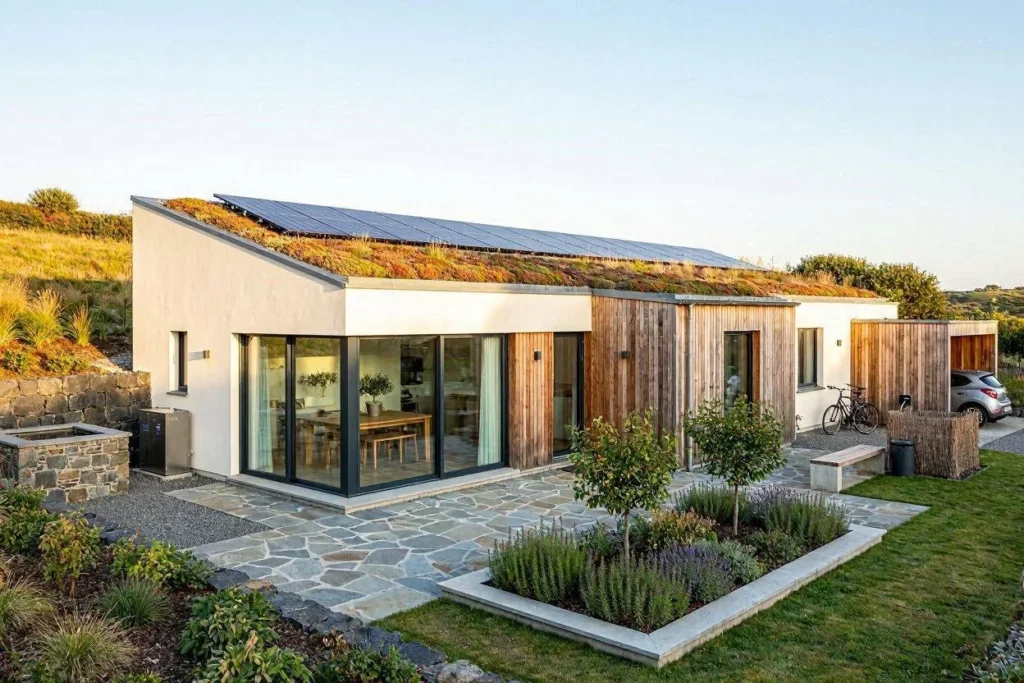
The eco villa is the fastest-growing new category in US luxury real estate for 2026. No competitor currently lists it as a standalone villa type — which means this is a real market gap and a real buyer demand.
An eco villa uses sustainable building systems and materials to reduce environmental impact without sacrificing comfort or design quality. The category covers a wide spectrum — from LEED-certified builds to off-grid retreats.
Standard eco villa features in 2026:
- Solar panel arrays (reduces energy costs by 60–80%)
- Rainwater harvesting systems
- Geothermal heating and cooling
- Passive house insulation and ventilation
- Green roofs or living walls
- Non-toxic, locally sourced building materials
Sotheby’s Realty confirmed passive house principles are now being applied at ambitious scale in 2026, including a 15,000 sq ft (1,394 sq m) home in Calistoga, California. Eco villas command a 12–18% price premium over comparable non-certified properties in the same market.
EV (electric vehicle) charging infrastructure has moved from optional to baseline in 2026. Properties without it lose competitive ground in California, Colorado, and New York markets.
Where in the USA: Calistoga (CA), Asheville (NC), Portland (OR), Burlington (VT), Boulder (CO) USA Price Range: $900K – $5M
11. Smart Villa
A smart villa integrates technology into every building system — not as add-ons but as core infrastructure. This is the newest standalone villa type, and zero competitors currently cover it as its own category.
Crestron and KNX platforms are the industry standard for 2026 smart villas. These systems connect climate control, lighting, security cameras, audio-visual, window treatments, and irrigation into one interface accessible from a phone or tablet. Wellness spaces can be pre-programmed: sauna pre-heated, bath drawn, lighting set to a recovery profile before the owner arrives home.
What a smart villa includes in 2026:
- Whole-home automation (Crestron, KNX, or Control4)
- AI-powered climate control
- Facial recognition and smart access security
- Automated window and shade control
- EV charging with load management
- Smart irrigation systems
- Fiber-speed dedicated internet infrastructure
Smart villas achieve 15–25% higher nightly rates on short-term rental platforms compared to similar properties without automation. Guests pay for the experience of a fully responsive home, not just the space.
Where in the USA: Silicon Valley (CA), Scottsdale (AZ), Austin (TX), Miami (FL) USA Price Range: $2M – $15M+
12. Multi-Generational Villa
85% of luxury travel advisors reported increased demand for multi-generational vacations in 2024 (Virtuoso Luxe Report). The multi-generational villa is designed specifically around this need — extended families who want to stay together without sharing every meal and every room.
The layout separates private quarters while sharing common spaces. A typical multi-generational villa includes 6–10 bedrooms across 2–3 structures on the same property: a main house, a guest cottage, and sometimes a third studio or pool house. Each structure has a kitchenette and bathroom. The main house holds the primary kitchen, dining room, and pool area.
This villa type requires more land than a standard luxury villa. Properties sit on 1–5 acres (0.4–2 hectares) in most US markets. The design replaces the traditional single-structure floor plan with a campus-style layout.
Multi-generational villas in Florida and California now include features specifically for different age groups: enclosed splash pools for young children, game rooms for teenagers, ground-floor accessible suites for older adults.
Where in the USA: Orlando (FL), Scottsdale (AZ), Napa Valley (CA), Telluride (CO), Hamptons (NY) USA Price Range: $1.5M – $8M
How to Choose the Right Villa Type
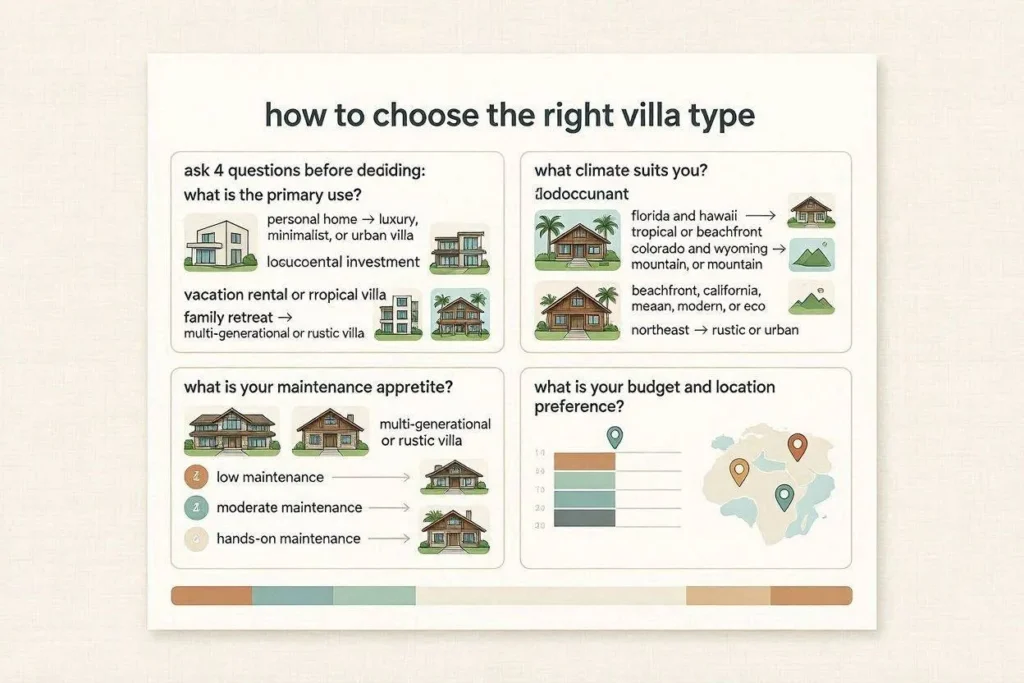
Ask 4 questions before deciding:
- What is the primary use? Personal home → luxury, minimalist, or urban villa. Vacation rental investment → beachfront, mountain, or tropical villa. Family retreat → multi-generational or rustic villa.
- What climate suits you? Florida and Hawaii → tropical or beachfront. Colorado and Wyoming → mountain. California → Mediterranean, modern, or eco. Northeast → rustic or urban.
- What is your maintenance appetite? Low maintenance → minimalist or modern villa. Character-rich, higher maintenance → rustic or Mediterranean. Tech-managed → smart villa.
- What is your investment horizon? Short-term rental income → beachfront and tropical lead ROI. Long-term appreciation → urban and modern villas in gateway cities. Eco premium → eco villas appreciate 12–18% above comparable properties.
USA Villa Prices by Type (2026)
| Villa Type | Entry Price | Mid-Range | Premium |
| Luxury Villa | $3M | $6M | $16.5M+ |
| Mediterranean Villa | $1.5M | $3.5M | $8M |
| Beachfront Villa | $1.2M | $4M | $12M+ |
| Mountain Villa | $600K | $2M | $5M |
| Modern / Contemporary | $1.8M | $4.5M | $10M+ |
| Rustic Villa | $800K | $2M | $4M |
| Minimalist Villa | $1.2M | $3M | $6M |
| Tropical Villa | $1M | $3.5M | $7M |
| Urban Villa | $1.5M | $3M | $6M |
| Eco-Friendly Villa | $900K | $2.5M | $5M |
| Smart Villa | $2M | $5M | $15M+ |
| Multi-Generational | $1.5M | $4M | $8M |
Prices reflect median market data across major US markets in 2026. Beverly Hills and Manhattan carry premiums above these ranges.
Villa Investment Guide: ROI by Style
Not every villa type performs equally as an investment. Here is what the data shows for 2026:
Highest short-term rental yield:
- Beachfront villas in Miami Beach and Maui: 8–12% gross rental yield
- Mountain villas in Telluride and Aspen: 6–10% in peak ski season
- Tropical villas in Hawaii: 7–11% gross yield
Highest long-term appreciation:
- Modern villas in Los Angeles and Miami: 6–9% annual appreciation
- Urban villas in gateway cities (NY, LA, SF): 5–8% annual appreciation
- Eco villas: 12–18% premium over non-certified comparables
Lowest operating cost:
- Minimalist villas: fewest surfaces, simplest systems
- Smart villas: automation reduces utility bills by 20–30%
- Eco villas: solar reduces energy costs by 60–80%
Smart and eco villas consistently achieve higher nightly rates and higher occupancy on short-term rental platforms because guests pay for the experience, not just the space. A smart villa in Scottsdale with full Crestron automation averages $1,400 per night versus $1,100 for an identical non-automated property.
Frequently Asked Questions
What is the most popular type of villa in the USA?
Mediterranean and beachfront villas are the most popular, particularly in Florida and California. Mediterranean villas dominate suburban luxury markets while beachfront villas lead vacation rental demand.
Is a villa bigger than a house? Yes, in most cases?
A villa typically starts at 3,000 sq ft (279 sq m) and sits on its own plot with dedicated outdoor space. Standard single-family homes average 2,300 sq ft (214 sq m) in the USA with little to no emphasis on outdoor living design.
What is the difference between an attached and detached villa?
A detached villa is a fully standalone home on its own lot. An attached villa shares one or two walls with a neighboring unit — similar to a townhouse — and is common in HOA communities where maintenance and landscaping are covered by monthly fees. Detached villas offer more privacy; attached villas offer lower upkeep.
Which villa type generates the best rental income?
Beachfront villas in Florida and Hawaii generate the highest nightly rates — averaging $1,200–$2,500 per night in peak season. Mountain villas in Colorado rank second, driven by ski season demand from November through March.
What does a smart villa include in 2026?
A smart villa integrates full home automation — lighting, climate, security, audio-visual, and EV charging — into one system. Crestron and KNX are the leading platforms. Smart villas achieve 15–25% higher nightly rental rates than comparable non-automated properties in the same market.
Find Your Villa in 2026
The right villa type depends on how you plan to use it, where you want to live, and what return you expect. Beachfront and mountain villas lead rental income. Urban and modern villas lead long-term appreciation. Eco and smart villas hold the strongest cost advantage over time.